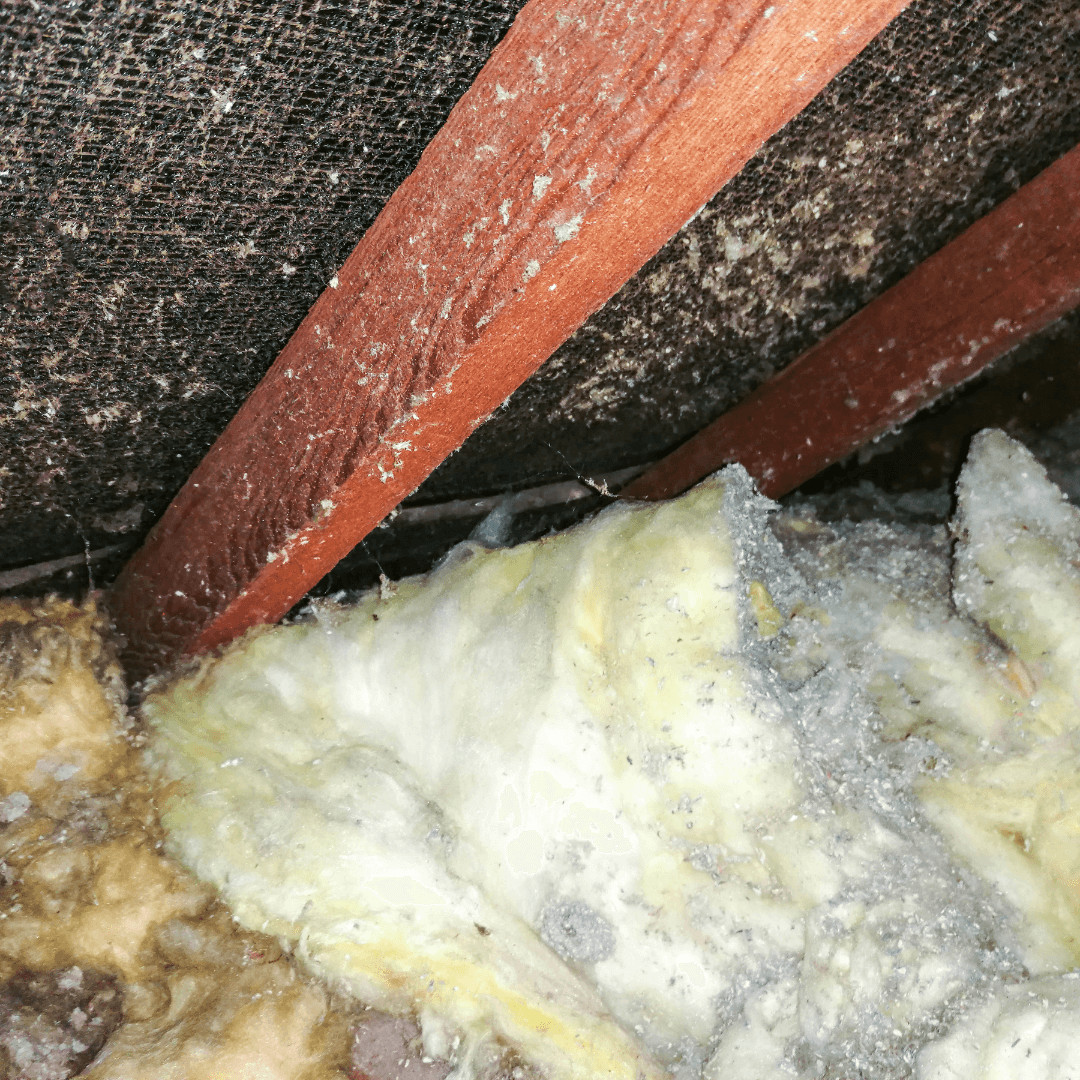
Can you install attic insulation yourself? Sometimes.
A simple top-up in a dry, accessible attic may be manageable for an experienced homeowner. The project becomes more complicated when moisture, air leakage, ventilation, damaged insulation, or difficult access needs attention first.
The key is to check the attic before deciding to add more insulation.
Is Your Attic a Good DIY Candidate?
Is attic insulation hard to install? The material itself may be straightforward. Knowing whether the attic is ready for more insulation is the harder part.
Use the condition of the attic to decide what to do next:
| What You Find | What to Do Next |
|---|---|
| Dry, accessible attic with known insulation | Measure the existing insulation and consider a top-up |
| Wet insulation or water staining | Find and correct the moisture source first |
| Vermiculite or unknown loose-fill insulation | Do not disturb it until the material is identified |
| Major air leaks | Air-seal before adding insulation |
| Blocked soffit ventilation | Correct the ventilation path first |
| Damaged or contaminated insulation | Assess whether removal is needed |
Can you add insulation over existing insulation? In many cases, yes. Dry, uncontaminated insulation that is still in good condition can often remain in place while new insulation is added on top.
Before deciding whether you need more attic insulation, check three things:
- How much insulation is already there?
- What type of insulation is installed? (See Compare Attic Insulation Materials)
- What R-value are you trying to reach?
If those answers are clear and the attic is in good condition, a DIY top-up may be reasonable.
Avoid These Common DIY Attic Insulation Mistakes
Adding Insulation Over a Moisture Problem
Wet insulation or staining should be investigated before new material is added. More insulation will not fix the source of the moisture.
Skipping Air Sealing
Should you air-seal before adding attic insulation? Yes. Seal major attic-floor air leaks first.
Once ceiling penetrations and gaps are buried under new insulation, they become harder to find and access.
Blocking Soffit Vents
Can attic insulation cover soffit vents? No.
Keep insulation away from soffit openings. Baffles help preserve the airflow path between the soffits and attic.
Leaving Gaps or Uneven Coverage
Loose-fill insulation needs consistent depth and coverage. Batt insulation should fit without gaps or unnecessary compression.
Assuming More Insulation Is Always the Solution
An attic may underperform because of air leakage, moisture, ventilation, or damaged insulation—not simply because the insulation is too thin.
If project cost is part of your decision, see our Attic Insulation Cost in Toronto.
Know When to Hire an Insulation Professional
A professional assessment makes more sense when the attic has moisture, unknown materials, damaged insulation, difficult access, ventilation problems, or significant air leakage.
The assessment should answer four practical questions:
- Can the existing insulation stay?
- Does moisture, ventilation, or air leakage need attention first?
- Is a top-up enough?
- Does any existing material need removal?
At Mas Air Home Comfort, we do not assume every attic needs full insulation replacement. If the existing insulation is in good condition and a top-up is enough, the project should be scoped around what the attic actually needs.
If you are unsure whether your attic is ready for more insulation, Mas Air can assess it before you decide between DIY and professional installation.
- Attic Insulation & Assessment: +1 (647) 360-6623
- Online Booking: Book an Attic Insulation Assessment
- Professional Attic Insulation in Toronto