Did you know that many Canadian homes without proper insulation can suffer silent structural damage? Harsh temperature changes and moisture build-up can slowly harm your most valuable asset, your home.
Many homeowners only notice the problem when they see ceiling stains, mold on walls, or a sudden spike in heating bills. By then, some damage may already be hard to reverse, and repairs can cost tens of thousands of dollars.
Prevent problems early. Let Mas Air Home Comfort protect your home with a complete attic insulation solution, so you can avoid costly repairs and health risks. Call us today or learn more about our attic insulation services.
How Temperature Swings Can Damage Your Home
Wood framing can fatigue over time
Most Canadian homes use wood-frame construction. Wood expands when warm and contracts when cold. In the Toronto area, winter outdoor temperatures can reach -25°C, while indoor temperatures are often kept around 22°C. That nearly 50°C difference creates stress on the home every day.
Common signs of damage include:
- Cracked beams and joists: repeated expansion and contraction can create cracks in load-bearing wood
- Separated joints: connections loosen over time and structural gaps can form
- Uneven or sagging floors: floor joists can bend from long-term stress
- Out-of-plumb walls: studs may twist slightly, affecting wall alignment
Chain damage in the roof system
Temperature stress can also affect the roof system, including:
- Rafter warping: rafters can bend and change the roof slope
- Shingle cracking: asphalt shingles can develop small cracks, which can lead to leaks
- Gutter damage: metal gutters can crack or loosen at joints
- Vent sealing failure: sealing around vents can age faster and lose its tight seal
Real-world repair costs add up fast
Based on common inspection and repair pricing in Canada, homeowners may face:
- Structural wood replacement: about $15,000 to $30,000
- Roof system rebuild: about $20,000 to $50,000
- Wall repair and rework: about $10,000 to $25,000
Mold: A Hidden Threat That Can Destroy Home Value
How mold starts in a poorly insulated attic
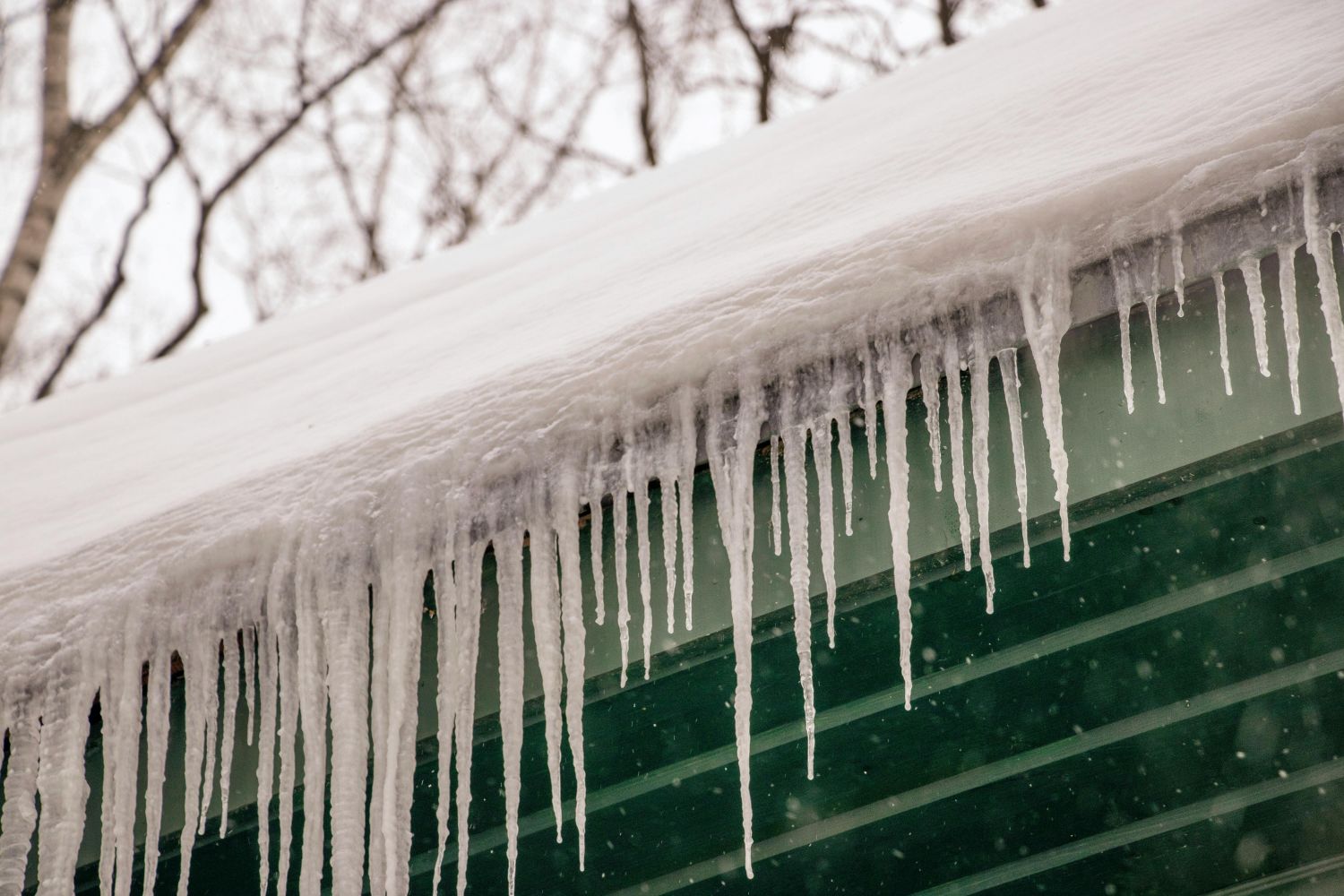
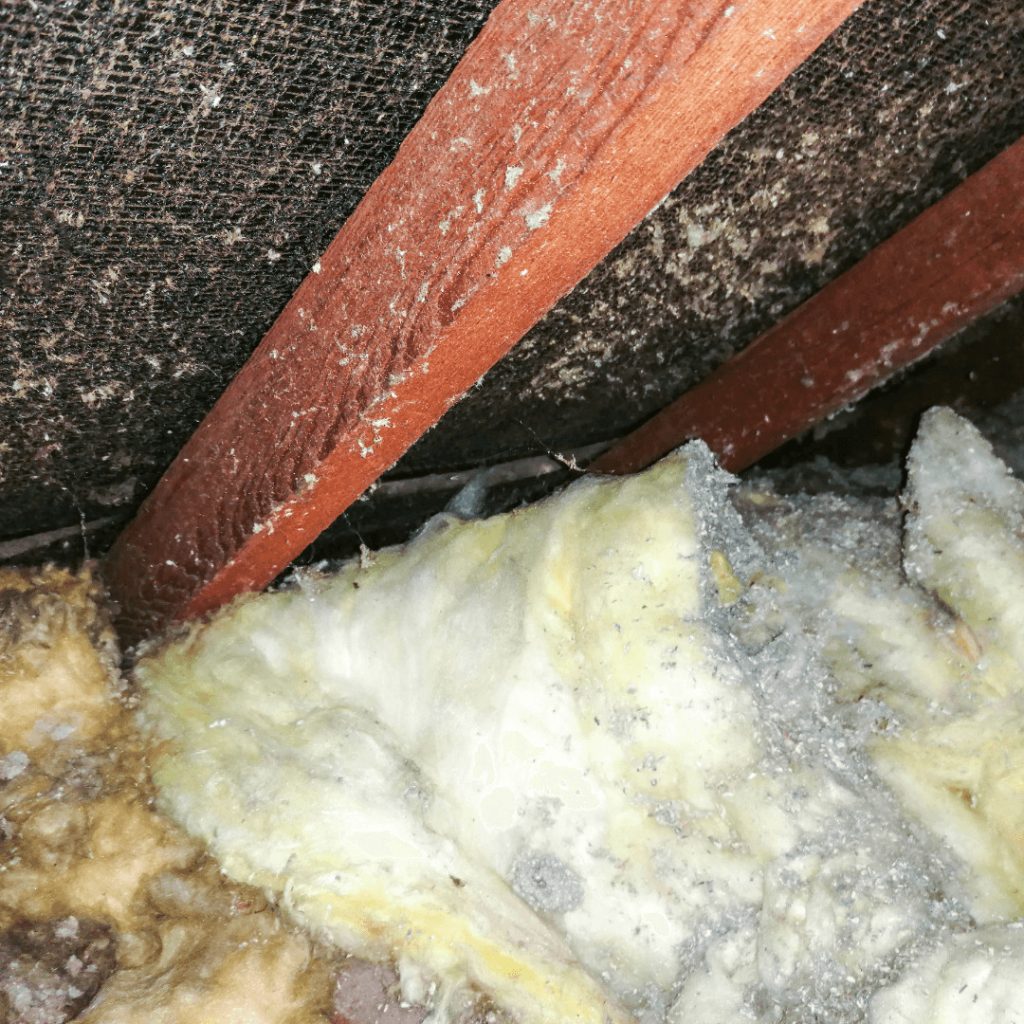
In an attic without enough insulation, warm and humid indoor air rises. When it reaches a cold roof surface, it can form condensation. This simple process is often the root cause of attic mold problems. Poor insulation can also increase the risk of roof ice dams, which can lead to serious leaks and damage.
Here is how it usually happens.
Stage 1: Moisture builds up
- Heating creates water vapor indoors
- Warm air carries moisture upward
- Air leaks allow that moisture into the attic
Stage 2: Condensation forms
- Warm, moist air hits a cold roof surface
- Water vapor turns into droplets
- Water settles on wood surfaces
Stage 3: Mold spreads
- Damp wood becomes a food source for mold
- Mold can start growing within 24 to 48 hours
- Spores spread quickly through the attic
What mold can do to your home
- Wood rot: mold-related decay can weaken load-bearing structures
- Insulation failure: wet insulation loses performance and may stop working
- Electrical risk: moisture near attic wiring can raise fire risk
- Poor indoor air quality: spores can move into living areas through air flow
Why Attic Insulation Helps Prevent These Problems
For a deeper explanation of how insulation works, read our guide on the benefits of insulation.
Temperature control for structural protection
- Blocks heat transfer: insulation traps still air inside its fibers, which slows heat movement
- Stabilizes attic temperature: reduces extreme attic temperature swings
- Reduces stress points: more even temperatures mean less localized stress in materials
What this protects:
- Less frequent and less intense wood expansion and contraction
- Longer lifespan for wood framing and roof materials
- More stable joints and connections
Moisture control for mold prevention
A proper attic insulation project should include:
- Vapor barrier support: helps stop indoor moisture from entering the attic
- Air sealing: closes gaps so humid air cannot leak upward
- Correct ventilation: removes any moisture that still gets in
Why it works:
- Stops moisture at the source
- Reduces condensation by keeping surfaces warmer and more stable
- Moves excess moisture out through ventilation
How Different Insulation Materials Protect Your Home
Here are common insulation options. To compare materials in detail, see our insulation material guide.
Spray Foam Insulation: Full sealing and strong protection
Structural benefits:
- Bonds to surfaces and adds stability
- Strong air seal that reduces heat movement
- Does not sag, so performance stays stable over time
Mold prevention benefits:
- Closed-cell foam resists water absorption
- Very strong sealing reduces moisture entry
- Stable material that does not break down easily from humidity
Fiberglass Insulation: Cost-effective and reliable
Structural benefits:
- Good thermal resistance to reduce heat transfer
- Flexible installation for standard attic spaces
- Naturally fire-resistant for added safety
Mold prevention benefits:
- Breathable material that supports moisture management
- Works well with proper vapor barrier and air sealing
- Great value for large attic areas
Reflective Insulation: Extra heat control
Structural benefits:
- Reflects radiant heat to reduce temperature swings
- Works best when combined with other insulation types
- Lightweight and does not add much load
Mold prevention benefits:
- Foil surfaces are less friendly to mold growth
- Can improve overall sealing when installed correctly
- Supports better moisture control
Ice Dam Risk or Attic Mold Signs in the GTA? Get Help Fast
If you see long icicles, ceiling stains, musty smells, or frost in the attic, act quickly. These problems can spread and cause hidden damage.
At Mas Air Home Comfort, our licensed team provides attic insulation upgrades, air sealing, and mold-prevention solutions across Toronto, Mississauga, and Vaughan.
Online Booking: Request Your Free Energy Efficiency Visit
For a Free Attic Audit & Estimate: +1 (647) 360-6623
24/7 Support Line: +1 (855) 795-1199
Explore Our Expert Insulation Guides
Don’t stop at heat loss. Ensure your home is fully protected by exploring our comprehensive GTA attic resources:
- Comprehensive Toronto Attic Insulation Guide — Everything from R-Value standards to material comparisons.
- How Much Does Attic Insulation Cost — Learn what affects attic insulation cost, typical price ranges, and how rebates can lower your total cost.
- 2026 Attic Insulation Rebates — Learn how to get government incentives for your upgrade.
- The Lifespan of Attic Insulation — How to tell if your existing insulation has expired or settled.
- What Is a Roof Ice Dam? — Why ice dams form in Toronto winters and how attic insulation helps prevent them.