If your furnace is on but your home isn’t getting warm, start here. This Toronto-focused guide walks you through quick DIY checks, what likely needs a pro (will highlight in orange), and how to keep the heat steady through our long heating season. It also includes links to deeper dives on closely related issues like a furnace that won’t start or blows cold air, so you don’t waste time guessing.
Prefer to skip the troubleshooting and book a licensed tech? Visit our Repair Service page: Furnace Repair in Toronto or Call us at 1-855-795-1199.
First, confirm the basics (fast checks)
1. Thermostat sanity check
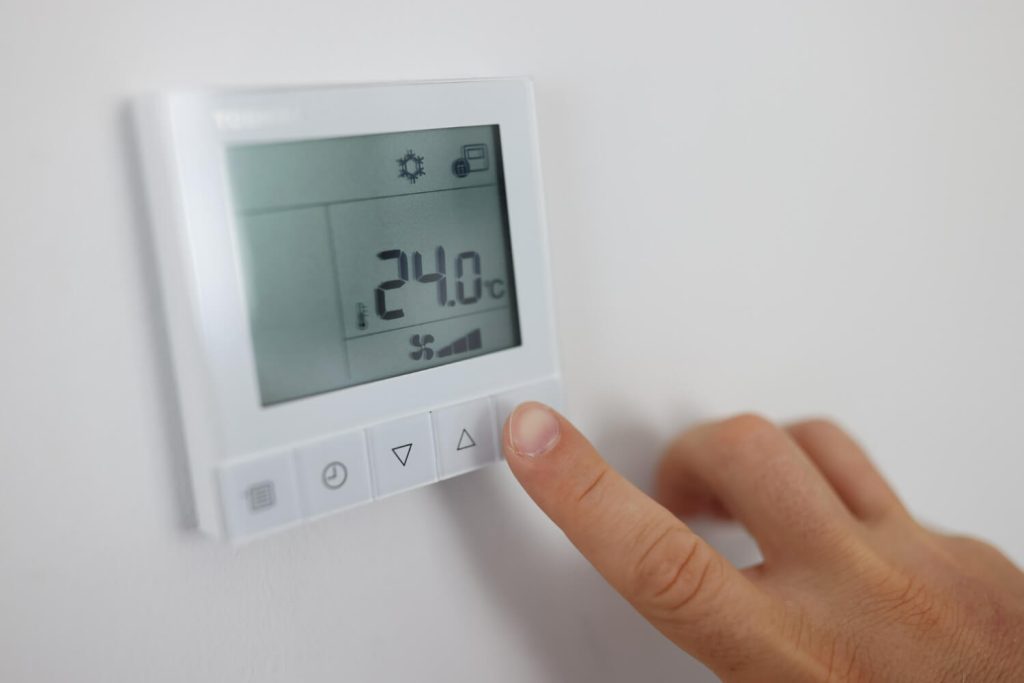
Make sure it’s set to Heat, the setpoint is above room temperature by at least 2–3°C, and the schedule/hold isn’t blocking a call for heat. Replace thermostat batteries if the display is dim or blank (where applicable). Many “no heat” calls trace back to settings or a dead battery.
2. Service switch & breaker
Find the furnace service switch (looks like a light switch near the unit) and ensure it’s ON. Then check your electrical panel: reset a tripped furnace breaker by pushing fully OFF, then ON. If it trips again, stop—there’s an electrical fault that needs a pro.

3. Filter & registers
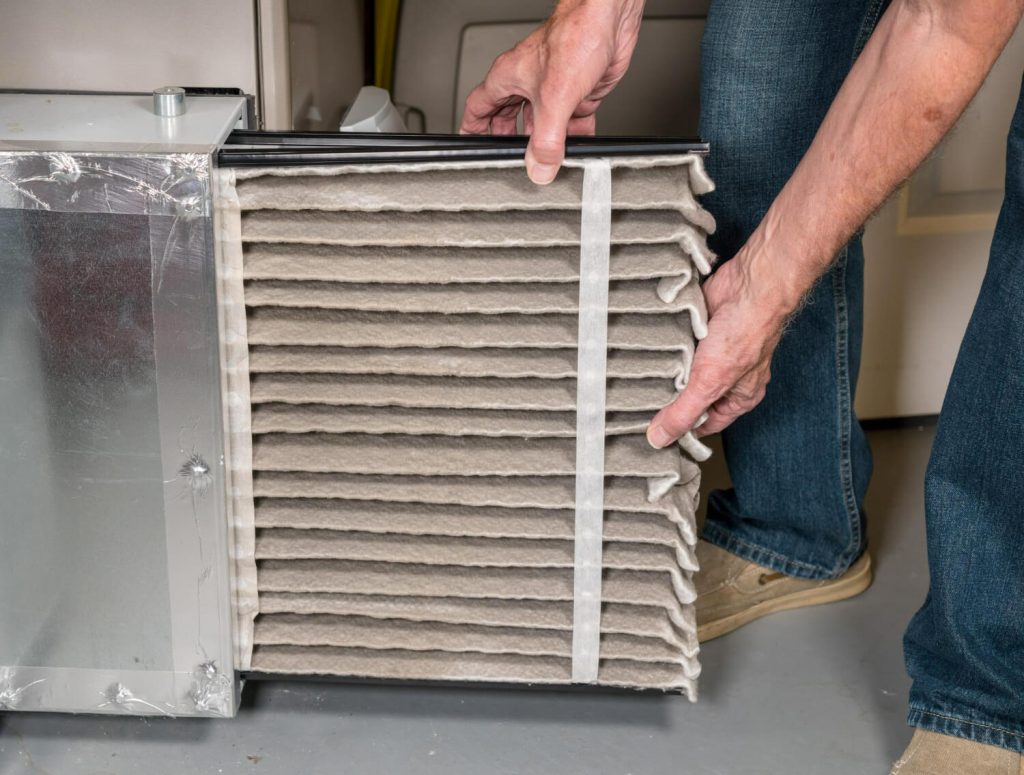
A clogged filter chokes airflow, can trigger limit safety trips, and leaves rooms cold. Replace if dirty; a clear rule of thumb is every ~3 months (more often with pets/allergies/renos). Clear return grilles and open supply registers so air can circulate. Regular filter changes help efficiency and reliability.
If the furnace runs but rooms stay cold
1. Airflow or temperature-rise problems
- Dirty filter / blocked return / closed registers reduce airflow, so the heat exchanger can’t transfer enough warmth into the rooms. Swap the filter, open registers, and check for crushed/fallen flex duct (finished basements/attics).
- Short cycling (unit starts and stops quickly) often ties back to airflow restrictions or a failing limit/pressure control; it leaves the house under-heated and wastes energy. Have a pro verify temperature rise, blower speed, and safety switch behavior.
2. Burner lights but stalls, or supply air feels cool
- Limit switch trips (overheat protection) can shut burners while the blower keeps running, pushing lukewarm air. Common causes: low airflow, a tired blower motor/capacitor, or a faulty limit switch.
- Dirty flame sensor / burners lead to unreliable flame proving, so the gas valve closes and you get tepid air at best. Cleaning/servicing is a pro task; it’s routine maintenance on modern furnaces.
3. High-efficiency condensate or venting issues
Condensing furnaces rely on clear condensate drains and proper intake/exhaust. A clogged trap or frozen/blocked intake can hold off ignition or shut the system mid-cycle, leaving rooms cool. A faulty pressure switch can also inhibit heat if vent pressure isn’t correct; diagnosis/replacement is a technician job.
If the furnace doesn’t produce heat at all (but the fan may run)
1. Ignition system & sensors
- Hot surface igniter or spark system failures stop heating entirely.
- Flame sensor coated with oxide won’t “see” flame and the control board shuts the gas valve. These are classic no-heat culprits best handled by a pro (testing resistance/µA, proper cleaning or replacement).
2. Safety & fuel supply
Tripped limit or rollout switches, blocked flue, or failed pressure switch will inhibit burner operation by design. Don’t bypass safeties; have a licensed contractor correct the underlying fault.
3. High-efficiency drain/pressure issues (again)
If you hear the inducer but burners never light, a condensate blockage or stuck pressure switch diaphragm can be the reason. This is especially common after construction dust or during freeze-thaw.
Not sure whether it’s a start-up failure versus “runs but not heating”? Cross-check with our companion guides:
• Furnace Won’t Start
• Furnace Blowing Cold Air
Toronto-specific safety notes you shouldn’t skip
- In Ontario, safety authorities advise having fuel-burning appliances inspected annually by a TSSA-registered contractor and installing/maintaining certified CO alarms on every level of the home. That’s not just about performance; it’s about family safety.
- Routine maintenance and filter changes are part of that safety/efficiency picture; Canada’s federal guidance also emphasizes regular service to keep systems efficient.
DIY vs. call-a-pro: a quick decision tree
Safe DIY checks (no tools or just a new filter):
- Thermostat mode/setpoint & fresh batteries.
- Service switch ON; breaker not tripped.
- Replace dirty filter; open all supply/return vents.
- Clear snow/debris around outdoor intake/exhaust for high-efficiency furnaces.
Call a pro (licensed gas tech) if you notice:
- Burner won’t light / relights and drops out (igniter/flame sensor/gas valve control).
- Repeated safety trips (limit/rollout/pressure switch), flue issues, scorch marks.
- Persistent short cycling, grinding/screeching, or strong gas odors.
- Any CO alarm activation: evacuate and call your utility/911; do not re-enter until cleared.
Ready for expert help? Call us to book now—same-day service is available even during peak season.
Step-by-step: what most homeowners can try in 15 minutes
Time needed: 15 minutes
- Set thermostat to Heat / Auto and bump setpoint +3°C above room temperature.
- Power cycle the furnace: turn service switch OFF for 60 seconds, then ON.
- Replace the filter (note size/MERV rating) and ensure returns aren’t blocked by furniture. Clean around the furnace cabinet to reduce dust draw-in. Clean filters help airflow and temperature rise.
- Check intake/exhaust (high-efficiency only): clear leaves/snow/ice obstructions.
- Observe the start-up sequence: thermostat call → inducer starts → (pressure switch proves) → igniter glows/clicks → burner lights → blower starts.
If induction runs but you never see ignition, stop and call—likely an ignition or proving issue (igniter/flame sensor/pressure switch).
Why your furnace “runs” but the house still won’t warm up
- Duct leakage/unbalanced air: Leaky or poorly balanced ducts spill heated air into basements or utility rooms, starving living spaces.
- Closed/covered registers: Rugs or furniture over supplies/returns drastically reduce delivered BTUs.
- Insulation/air sealing gaps: Attic bypasses and thin insulation make rooms feel cold even with a working furnace. (We can assess as part of a whole-home comfort visit.)
- Oversized equipment short cycling: Brief runtimes fail to heat the envelope; a pro can verify sizing and blower speeds.
Again, preventing the next “no heat” day
- Filters: Replace about every three months under normal conditions; more often with pets/allergies/wildfire smoke or if using high-MERV media. Put a calendar reminder on your phone.
- Annual safety inspection & tune-up: Schedule with a licensed, TSSA-registered contractor before deep winter to catch ignition/combustion and condensate issues early.
- Keep the area around the furnace clean: Dust and lint impede airflow and can affect components.
Related reading (keep troubleshooting smart)
- Furnace Won’t Start — no power/ignition lockout scenarios.
- Furnace Blowing Cold Air — when the fan runs but supply air isn’t hot.
- Noisy Furnace Operation (Toronto)— what different sounds mean and what to check first.
- Uneven Heating (Toronto)— balancing, duct/return issues, and room-by-room fixes.
For bookings and same-day support, head to Furnace Repair in Toronto.